
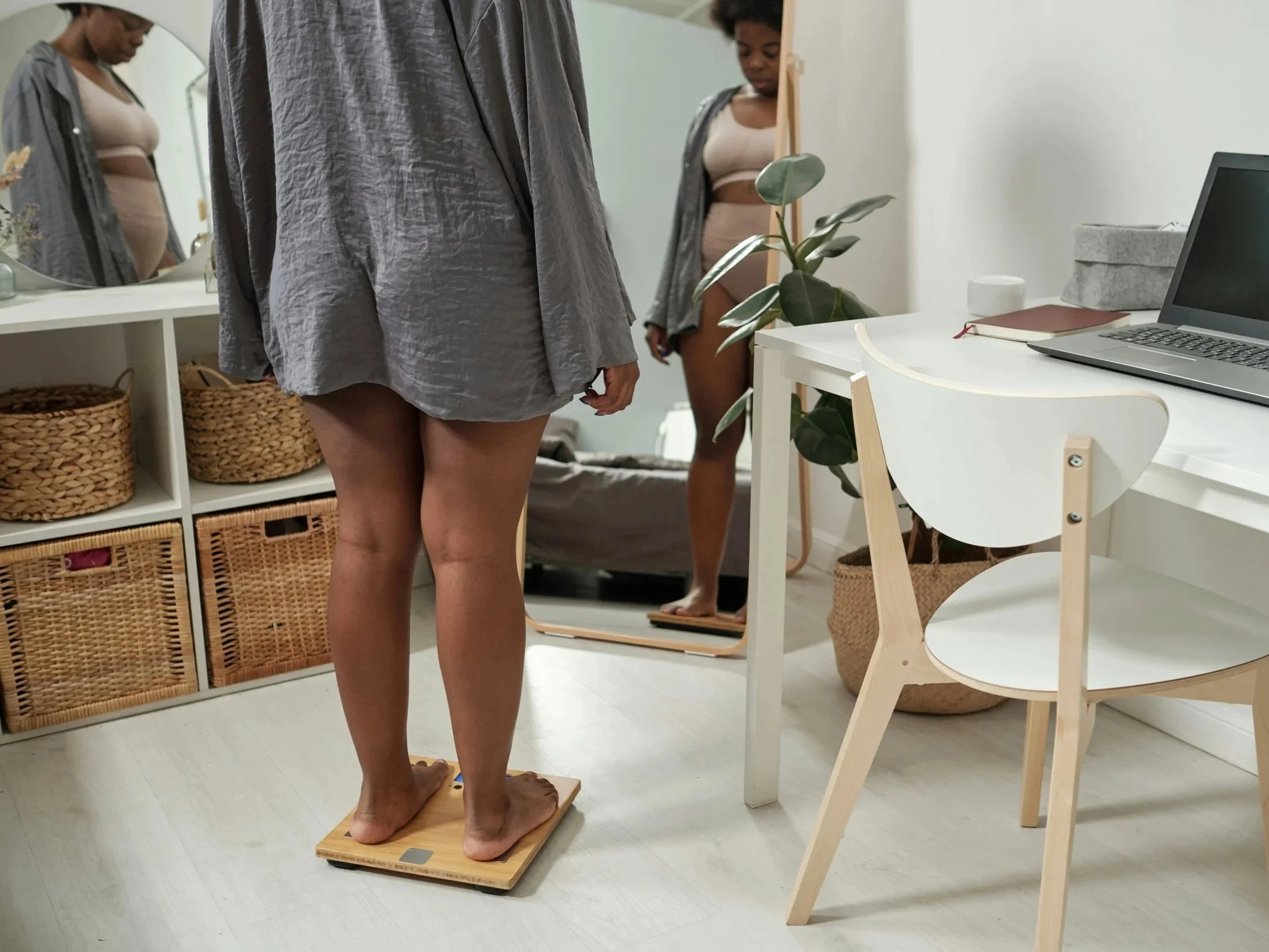
You step on the scale one morning and see that you have lost a pound. The next morning, the number is back up, even though you followed your plan.
It can be frustrating, especially when you are taking a GLP-1 medication and paying close attention to your progress. But a higher number on the scale does not necessarily mean that you gained body fat or that your medication stopped working.
Your weight naturally changes from one day to the next. Understanding why can make it much easier to focus on your overall progress instead of letting a single weigh-in discourage you.
A Higher Number Does Not Always Mean Fat Gain
The number on the scale represents more than body fat. It also includes:
Water
Muscle
Food moving through your digestive system
Waste in your intestines
Stored carbohydrates
Clothing and other small variables
Most overnight changes are related to water and digestion, not a sudden change in body fat.
To gain a meaningful amount of body fat overnight, you would need to consume significantly more energy than your body needs. That is very different from seeing the scale rise after a salty meal, a restaurant dinner, constipation, or a change in your usual routine.
The number on the scale also cannot tell you how much of your weight is fat or lean tissue. Learn more about the difference between losing fat and losing muscle and why protecting muscle matters during weight loss.
Why Your Weight Changes From One Day to the Next
Several completely normal factors can affect the scale.
1. You Ate More Sodium Than Usual
Sodium causes the body to retain water. A restaurant meal, packaged snack, deli meat, sauce, or takeout dinner may contain much more sodium than you typically eat at home.
That temporary water retention can make the scale rise the following morning. Once you return to your usual eating and hydration habits, the extra water will generally resolve.
You do not need to drastically restrict food or try to “make up” for the meal.
2. You Ate More Carbohydrates
Carbohydrates are stored in the body as glycogen, and glycogen is stored along with water. If you eat more carbohydrates than usual, your body may temporarily hold additional water.
This does not mean carbohydrates caused immediate fat gain. It is a normal part of how the body stores and uses energy.
The opposite can also happen. A rapid drop on the scale after significantly reducing carbohydrates may partly reflect water loss rather than body-fat loss.
3. You Are Constipated
Constipation is a common concern for people taking GLP-1 medications such as semaglutide or tirzepatide. Slower digestion, reduced food intake, inadequate hydration, and not eating enough fiber can all contribute.
If you have not had a regular bowel movement, the scale may stay the same or increase temporarily. That does not mean your weight-loss plan is failing.
Try to stay consistent with fluids, fiber-rich foods, and movement. Contact your provider if constipation is persistent, painful, or accompanied by concerning symptoms.
4. Your Hormones Are Changing
For women who menstruate, hormonal changes throughout the month can affect fluid retention, appetite, digestion, and weight.
You may notice that your weight rises before or during your period and drops again afterward. Comparing the same phase of your cycle from one month to the next may provide a more useful picture than comparing two individual days.
Perimenopause and menopause can also affect sleep, stress, body composition, and weight-management patterns. This is one reason personalized care matters: your progress should be evaluated within the context of your overall health.
5. You Had a Hard Workout
Exercise is important for protecting muscle, supporting metabolic health, and improving long-term weight-loss results. However, beginning a new workout or increasing its intensity can temporarily raise the number on the scale.
Exercise places healthy stress on the muscles. As they recover, the body may retain additional fluid. This is not a reason to stop exercising—and it certainly does not mean the workout caused fat gain.
You may be making meaningful improvements in strength and body composition even when the scale temporarily stalls.
If you are unsure how to balance activity and recovery, learn how much exercise you really need while taking a GLP-1.
6. You Are Dehydrated
It may seem counterintuitive, but inconsistent hydration can contribute to confusing scale changes.
GLP-1 medications can reduce thirst cues for some people, while nausea, vomiting, or diarrhea can increase the risk of dehydration. Medication labeling warns that gastrointestinal side effects can sometimes lead to significant fluid loss, so persistent symptoms should be discussed with your provider.
Rather than drinking very little one day and trying to catch up the next, aim for consistent hydration throughout the week.
It is also helpful to understand common GLP-1 side effects and when to contact your provider, particularly if nausea, vomiting, diarrhea, or constipation makes it difficult to eat or drink normally.
7. You Weighed Yourself Under Different Conditions
Your weight can change throughout the day based on what you have eaten, how much you have had to drink, whether you have used the bathroom, and what you are wearing.
If you want to track your weight, try to weigh yourself under similar conditions each time. For example:
Use the same scale.
Place it on a firm, level surface.
Weigh yourself at roughly the same time.
Wear similar clothing.
Consider weighing after using the bathroom and before breakfast.
Consistency makes the information more useful.
How Often Should You Weigh Yourself?
There is no perfect schedule for everyone.
Some people like weighing daily because it helps them see that fluctuations are normal. Others find that daily weighing causes anxiety or makes them overly focused on small changes.
You might choose to weigh:
Daily and evaluate the weekly average
A few times per week
Once per week under consistent conditions
Less frequently while tracking other measures of progress
The best schedule is one that provides helpful information without making the scale the center of your day.
If weighing yourself consistently leads to shame, anxiety, restriction, or obsessive behavior, it may be better to weigh less frequently or allow your healthcare provider to monitor your weight.
Focus on the Trend, Not a Single Number
Imagine that your weight changes like this over several days:
190, 189, 191, 188, 189, 187
There are increases within that sequence, but the overall trend is still moving downward.
This is why one weigh-in cannot tell you whether your plan is working. Looking at weekly averages or comparing your progress over several weeks provides a much clearer picture.
It is also important to remember that weight loss is rarely linear. You may lose more during one week, stay the same the next, and then begin losing again without making any major changes.
Is It a Fluctuation or a Weight-Loss Plateau?
A fluctuation is a short-term change that may last a day or several days. A plateau is a longer period during which the overall trend has stopped moving.
Before deciding that you have reached a plateau, consider:
Has your weekly average changed?
Have you been constipated?
Are you approaching your period?
Did you recently eat more sodium?
Did you begin or intensify your workouts?
Are you sleeping well?
Are your clothes fitting differently?
Have your measurements or strength improved?
Have you been taking your medication consistently?
If your overall trend has remained unchanged for several weeks, learn more about how to work through a GLP-1 plateau before assuming that your medication has stopped working.
Do not increase your medication or make other dosing changes on your own.
Look Beyond the Scale
The scale is one useful measurement, but it is not the only way to recognize progress.
Other improvements might include:
Feeling satisfied with smaller portions
Experiencing fewer cravings
Having more energy
Sleeping better
Getting stronger
Moving more comfortably
Improving your blood sugar or other health markers
Losing inches
Wearing clothes that previously felt tight
Feeling more consistent and confident in your habits
These changes matter, even during a week when the scale does not move.
The Bottom Line
Day-to-day weight fluctuations are normal, including while taking a GLP-1 medication. A higher number may reflect water retention, digestion, hormones, constipation, exercise, or simply weighing under different conditions.
Try not to respond to one weigh-in by skipping meals, overexercising, or changing your medication. Return to your usual habits and look at the broader trend.
At TeleHealthNP, we do more than prescribe medication. You work directly with an experienced nurse practitioner who can help you understand your progress, manage side effects, and adjust your plan when appropriate. There are no long-term contracts, and every dose is included at one straightforward price.
If you are looking for personalized GLP-1 weight-loss care in Oregon, Washington, or Arizona, explore our Weight Loss Program or schedule a free consultation.
Medical note: This article is for general education and does not replace individualized medical advice. Contact your healthcare provider about persistent constipation, vomiting, diarrhea, signs of dehydration, sudden unexplained weight changes, or other concerning symptoms. Official prescribing information warns that gastrointestinal side effects associated with GLP-1 medications can contribute to dehydration and related complications. FDA drug-label resources provide current medication-specific safety information.