How Do GLP-1 Weight Loss Medications Work?
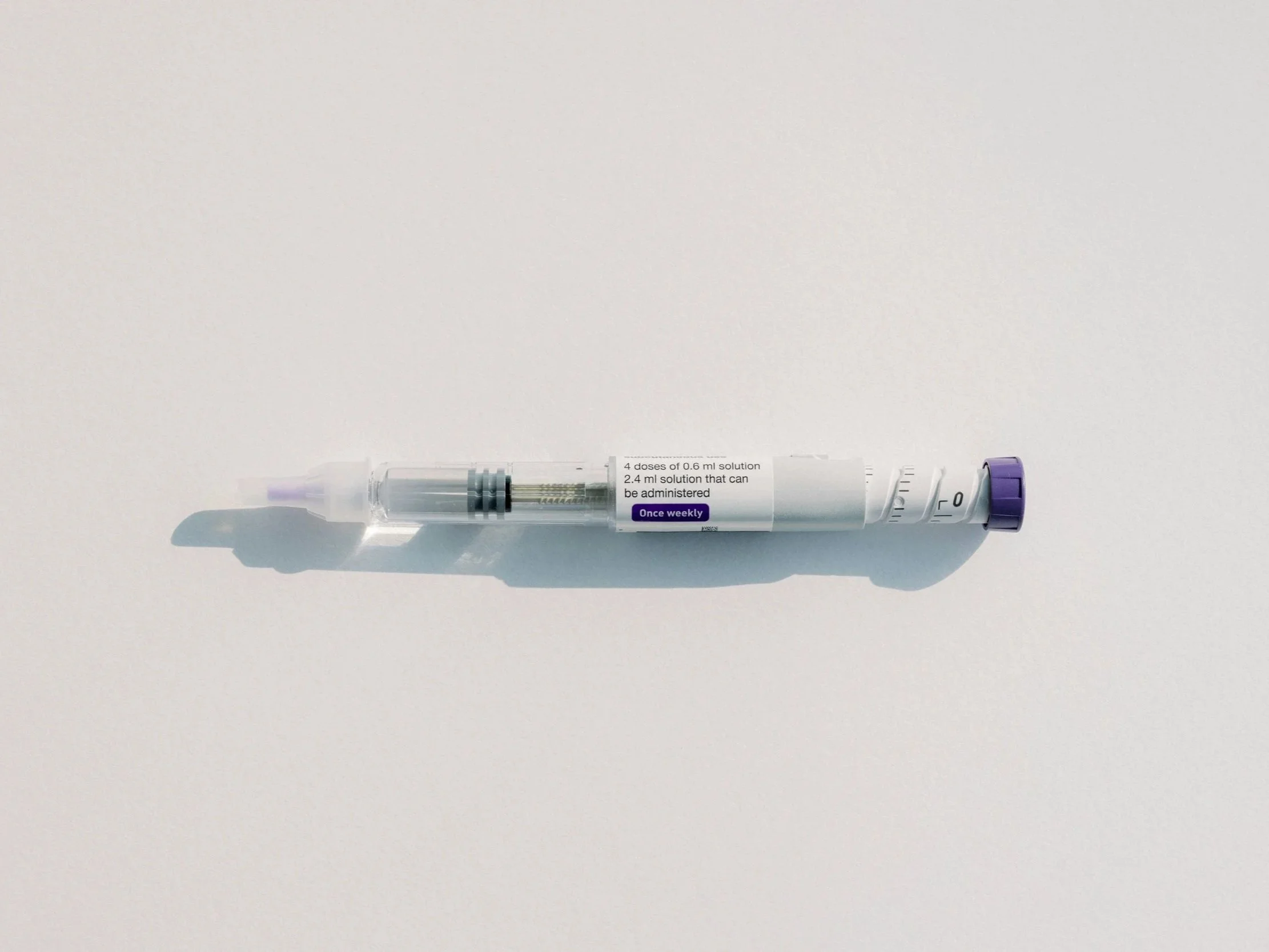
Because we work with patients using GLP-1 medications every day, it can be easy to forget that many people are still learning how these treatments actually work. So let’s take a step back and start from the beginning—exploring what GLP-1 medications are, how they work in the body, and whether they might be the right fit for you.
If you’ve been hearing about medications that help people lose weight by reducing appetite, stabilizing blood sugar, and improving metabolism, you’re probably hearing about GLP-1 medications.
These medications have changed the landscape of medical weight loss because they address something many traditional diets ignore: the biology behind hunger and metabolism.
Rather than relying on extreme restriction or willpower alone, GLP-1 medications work with your body’s natural hormone systems to regulate appetite and energy balance.
Let’s break down how they work and why they’re becoming one of the most effective tools in modern weight management.
What Is GLP-1?
GLP-1 stands for glucagon-like peptide-1, a hormone naturally produced in your digestive tract.
Your body releases GLP-1 after you eat. This hormone plays several important roles in regulating metabolism:
It signals the brain that you are full
It stimulates insulin release to regulate blood sugar
It slows digestion so meals keep you satisfied longer
It reduces excess glucose production by the liver
In other words, GLP-1 helps coordinate how the body processes food and controls hunger.
For many people struggling with weight, these signals can become dysregulated due to genetics, insulin resistance, stress, or years of dieting.
GLP-1 medications work by mimicking and enhancing the effects of this natural hormone.
How GLP-1 Medications Promote Weight Loss
1. They Reduce Appetite
One of the most powerful effects of GLP-1 medications is appetite regulation.
These medications act on appetite centers in the brain, helping people feel full with smaller portions of food.
Many patients notice:
Less constant thinking about food
Reduced cravings
Feeling satisfied sooner during meals
Instead of relying on willpower to stop eating, the body’s natural satiety signals begin working more effectively.
This makes it easier to maintain a sustainable calorie deficit without extreme dieting.
2. They Slow Stomach Emptying
GLP-1 medications also slow the rate at which food leaves the stomach.
This means meals remain in the digestive system longer, leading to:
Longer-lasting fullness
Fewer blood sugar spikes
Reduced snacking between meals
For many people, this creates a natural rhythm of balanced hunger and satisfaction throughout the day.
3. They Improve Blood Sugar Regulation
Another major benefit of GLP-1 medications is improved metabolic health.
They help regulate blood sugar by:
Stimulating insulin release when blood sugar rises
Reducing glucagon, a hormone that increases blood sugar
Improving insulin sensitivity over time
Stable blood sugar levels can reduce energy crashes, food cravings, and the cycle of overeating that often follows blood sugar spikes.
4. They Help Correct Metabolic Dysregulation
Weight gain is rarely just about calories alone.
Many people experience underlying metabolic factors such as:
Insulin resistance
Hormonal imbalances
Chronic inflammation
Disrupted hunger signals
GLP-1 medications help restore balance to these systems by improving communication between the gut, pancreas, liver, and brain.
This is why people often describe the experience as feeling like their metabolism is finally working with them rather than against them.
Examples of GLP-1 Weight Loss Medications
Several medications fall into this category and are widely used in medical weight management.
Common examples include:
Semaglutide
Tirzepatide
Liraglutide
These medications were originally developed to treat type 2 diabetes but are now commonly prescribed to support weight loss and metabolic health.

How Much Weight Can People Lose?
Clinical trials have shown impressive results.
Many people lose 10–20% of their body weight depending on the medication, dose, and overall treatment plan.
However, medications work best when combined with lifestyle strategies such as:
prioritizing protein intake
building muscle through strength training
improving sleep
managing stress
Medical guidance helps ensure the medication is used safely while supporting long-term health goals.
Are GLP-1 Medications Safe?
Most people tolerate these medications well.
The most common side effects include:
mild nausea
constipation
decreased appetite
temporary digestive discomfort
These symptoms often improve over time, especially when medications are started at a low dose and gradually increased.
Working with a medical provider helps ensure dosing adjustments and support along the way.
Who Is a Good Candidate for GLP-1 Weight Loss Medications?
GLP-1 medications may be helpful for people who:
have a BMI over 30
have a BMI over 27 with metabolic conditions
have struggled to lose weight with traditional dieting
want a medically supervised weight loss plan
They are not appropriate for everyone, which is why an individualized medical assessment is important before starting treatment.
The Bottom Line
GLP-1 medications work by improving the biological signals that control hunger, metabolism, and blood sugar.
Instead of fighting your body’s natural systems, these medications help restore balance so that sustainable weight loss becomes achievable.
For many people, this approach represents a major shift away from restrictive dieting and toward evidence-based metabolic health care.
Ready to Learn More?
If you're curious whether GLP-1 medications may be a good fit for your goals, a medical consultation can help determine the right approach.
With personalized care and ongoing support, medical weight loss can become a sustainable and empowering process.