
The #1 Nutrition Mistake People Make on GLP-1 Medications
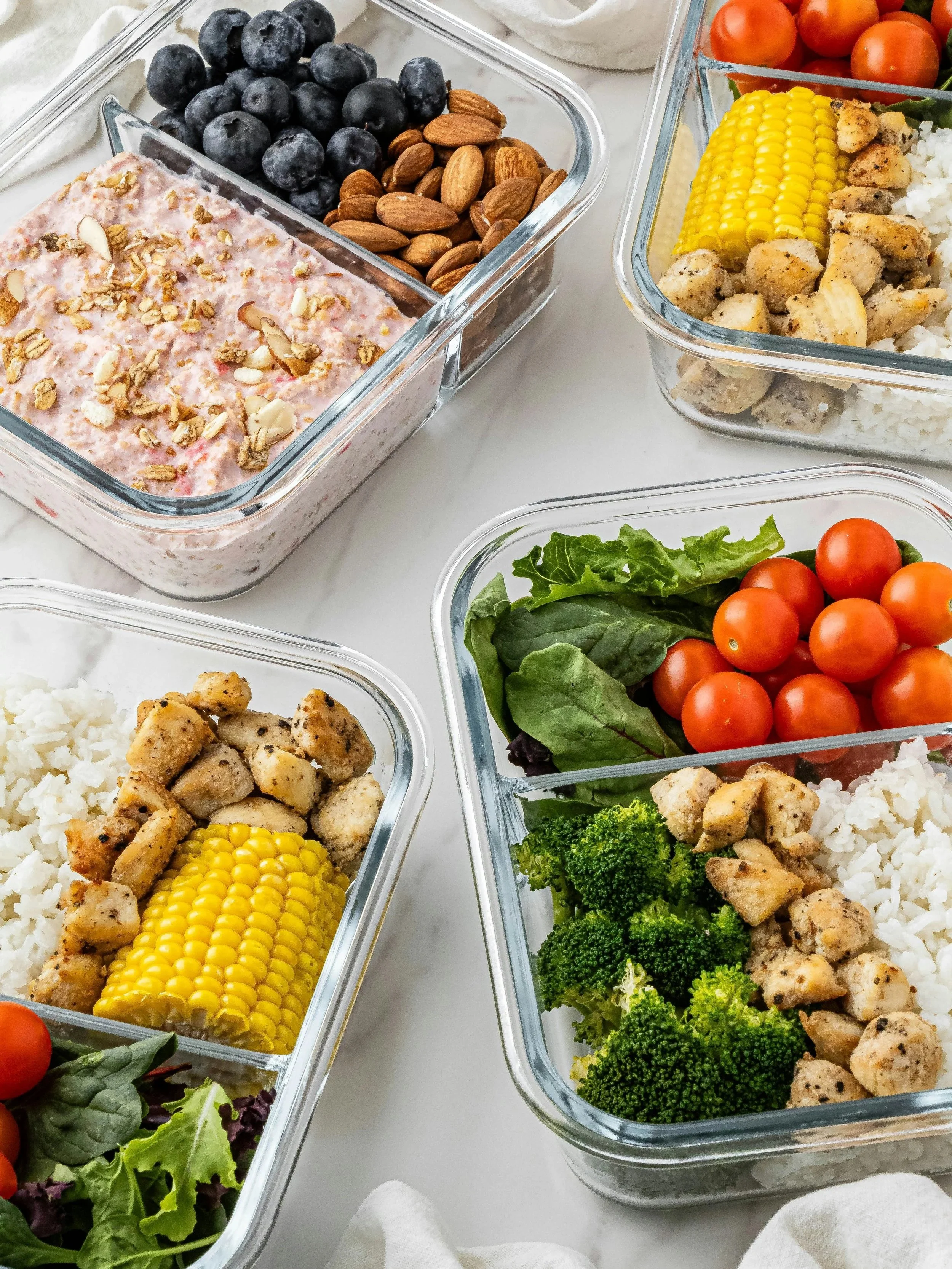
If you're taking a GLP-1 medication like semaglutide or tirzepatide, you've probably noticed that your appetite isn't what it used to be.
If weight loss is your goal, that’s great! But eating less comes with an unexpected challenge.
One of the most common nutrition mistakes we see is patients not eating enough protein.
When you're only eating one or two small meals each day, it can be surprisingly difficult to meet your protein needs. Unfortunately, that can affect much more than your weight loss.
Getting enough protein while taking a GLP-1 can help preserve muscle, support your metabolism, keep you feeling satisfied, and even reduce your risk of side effects like fatigue and hair shedding.
Let's explore exactly why prioritizing protein intake can make your weight loss journey easier and more effective.
Protein is only one piece of a healthy eating plan. If you're looking for a complete overview of what to eat while taking a GLP-1 medication, check out our GLP-1 Nutrition Guide.
Why Protein Is So Important on a GLP-1
GLP-1 medications work by slowing stomach emptying and reducing appetite, making it easier to eat fewer calories. While this supports weight loss, it also means you're consuming less food overall.
When calories decrease, every bite becomes more important.
Maintaining a calorie deficit is still essential for weight loss, but the quality of those calories matters just as much as the quantity. Learn more in our article on how to eat in a calorie deficit the right way.
Protein is especially important because your body relies on it to maintain muscle, repair tissues, support your immune system, and produce hormones and enzymes. If you're consistently consuming too little protein through food, your body may begin breaking down muscle tissue to meet its needs.
That's why we encourage our patients to prioritize protein before carbohydrates or snacks whenever possible.
Protein Helps Preserve Muscle Mass
When you lose weight, your body doesn’t just burn fat tissue; it also metabolizes lean muscle.
While some muscle loss is expected during any weight loss journey, losing too much can work against your long-term goals.
Muscle plays an important role in:
Supporting a healthy metabolism
Maintaining strength and mobility
Improving balance and function
Making it easier to keep weight off after you've reached your goal
The combination of consuming adequate protein and doing regular strength training is one of the best ways to preserve lean muscle while losing body fat.
Protein Helps Keep You Fuller for Longer
One of protein's biggest advantages is that it promotes satiety.
Compared to a high-carbohydrate diet, more protein tends to keep you feeling satisfied longer after a meal.
Even though GLP-1 medications naturally reduce appetite, prioritizing protein can help you:
Feel satisfied between meals
Reduce cravings
Avoid unnecessary snacking
Meet your nutrition needs despite eating less
Instead of filling up on foods with little nutritional value, focus on meals that provide lasting nourishment.
Protein Supports Your Metabolism
Your body burns calories simply by keeping you alive. Breathing, circulating blood, digesting food, and maintaining muscle all use energy provided by calories.
Muscle tissue requires more energy than fat tissue, so preserving muscle helps support your resting metabolic rate.
While protein won't "boost" your metabolism overnight, eating enough protein while maintaining muscle can help prevent the larger drop in metabolism that sometimes accompanies significant weight loss.
Could Low Protein Be Causing Your Symptoms?
Not everyone who experiences these symptoms has a protein deficiency, but inadequate protein intake may contribute to:
Fatigue
Feeling weak during workouts
Loss of strength
Slower recovery after exercise
Increased hunger later in treatment
Hair shedding associated with rapid weight loss
Difficulty maintaining muscle mass
If you're struggling with any of these concerns, it's worth taking a closer look at your daily protein intake.
Signs You May Not Be Eating Enough Protein
Many people are surprised to learn they're only eating 30–50 grams of protein each day.
You may not be getting enough protein if:
You skip meals regularly.
Most of your meals are carbohydrates.
You rarely include meat, eggs, dairy, beans, or other protein-rich foods.
You're feeling unusually tired.
You're noticing more hair shedding than expected.
You've stopped making progress in the gym.
You feel full before you've finished eating your protein.
Because GLP-1 medications suppress appetite, these habits can develop without you even realizing it.
How Much Protein Do You Need?
Protein needs vary based on your age, activity level, medical history, body composition, and health goals.
The minimum recommendation for protein intake is 0.8 grams of protein per kilogram of body weight or 0.36 grams per pound, but this number might be different depending on your own health statistics and goals.
Rather than focusing on one number that works for everyone, work with your healthcare provider to determine a goal that's appropriate for you.
As a general strategy, many people benefit from aiming to include a source of protein at every meal and snack instead of trying to consume most of it at dinner.
High-Protein Foods to Prioritize
Some excellent protein sources include:
Animal-based proteins
Chicken breast
Turkey
Fish
Shrimp
Lean beef
Eggs
Greek yogurt
Cottage cheese
String cheese
Plant-based proteins
Tofu
Tempeh
Edamame
Lentils
Beans
Chickpeas
Protein-enriched soy milk
Convenient options
On days when your appetite is especially low, convenience matters.
Keep options like:
Ready-to-drink protein shakes
Protein yogurt
Protein oatmeal
Hard-boiled eggs
Tuna packets
Rotisserie chicken
available so it's easier to meet your goals.
Easy Ways to Eat More Protein
You don't have to overhaul your entire diet.
Small changes can make a big difference:
Eat your protein first at each meal.
Add Greek yogurt to breakfast.
Choose cottage cheese as a snack.
Include lean protein with lunch and dinner.
Blend a protein shake if you don't feel like eating.
Keep high-protein snacks at work or in your bag.
Spread protein throughout the day rather than eating it all at once.
Consistency is more important than perfection.
Building healthy habits over time is much more effective than relying on motivation alone. Read more about why consistency beats motivation when it comes to lasting weight loss.
A Sample High-Protein Day
Here's one example of how protein can be incorporated throughout the day.
Breakfast
Greek yogurt with berries
Snack
Protein shake
Lunch
Grilled chicken salad
Snack
Cottage cheese and fruit
Dinner
Baked salmon with roasted vegetables
Notice that protein appears in every meal, not just at dinner.
Protein Is Only One Piece of the Puzzle
Protein is incredibly important, but it works best alongside other healthy habits.
For the best results while taking a GLP-1 medication, aim to:
Stay hydrated and eat enough fiber. If constipation has become a challenge during treatment, read our guide on managing constipation while taking GLP-1 medications.
Maintain a calorie deficit that's appropriate for your goals.
Include regular strength training and physical activity.
Get adequate sleep.
Stay consistent with your treatment plan.
These habits work together to support sustainable, long-term weight loss.
We're Here to Help
One of the benefits of working with TeleHealthNP is that you don't have to figure it all out on your own.
Our providers offer personalized guidance throughout your weight loss journey, helping you navigate challenges like protein intake, side effects, and lifestyle changes that support lasting success.
If you're ready to lose weight with medical guidance and ongoing support, we'd love to help.
Learn more about our medical weight loss program or schedule your free consultation today to see whether GLP-1 treatment is right for you.