Your First Month on a GLP-1: A Week-by-Week Guide
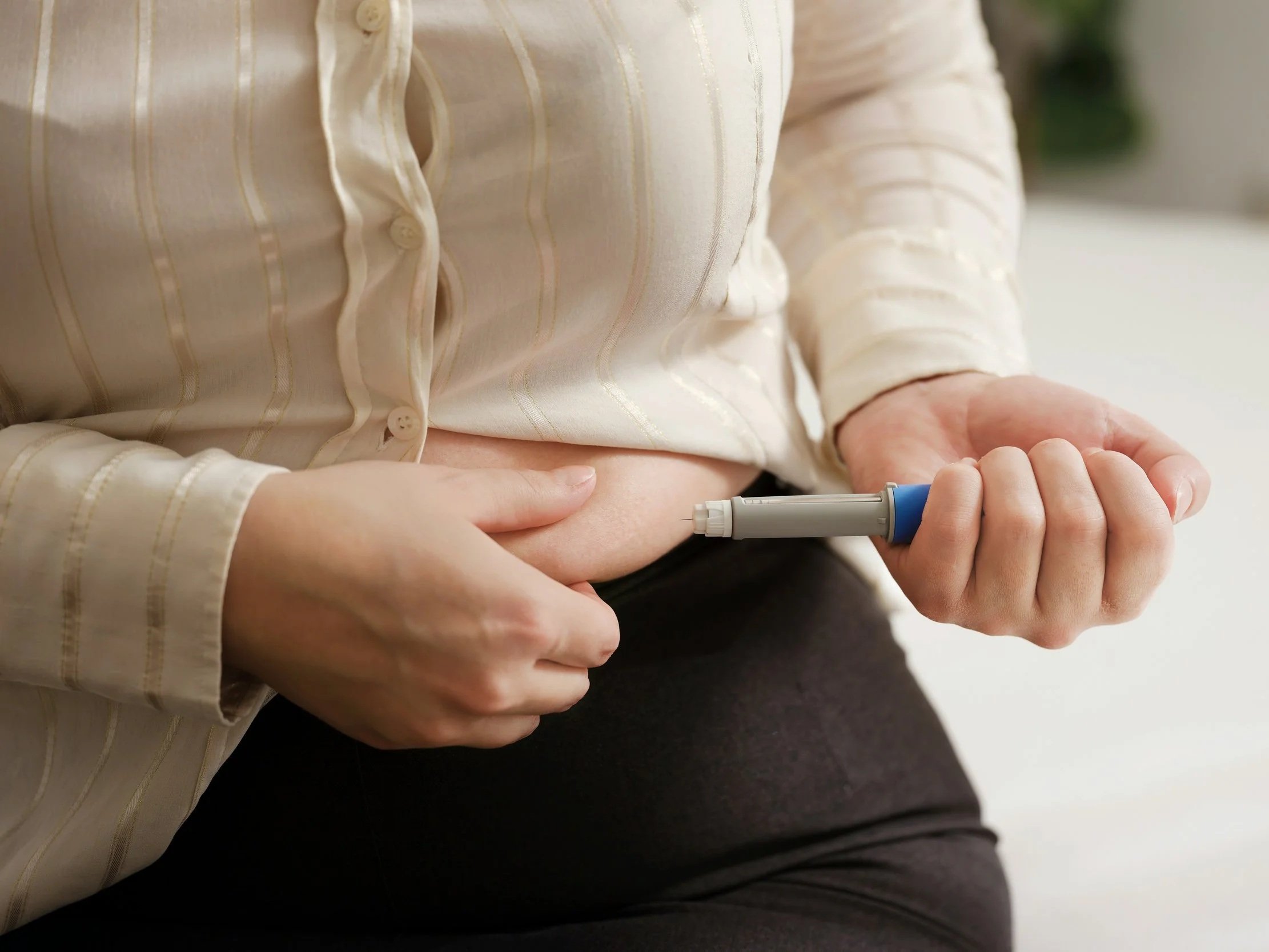
Starting any weight loss journey can be both exciting and uncertain. Introducing GLP-1s, whether or not you have taken weight loss medication before, can increase the uncertainty.
Sometimes the difference in confidence simply comes down to knowing what to expect, and we want our patients to be fully equipped to succeed.
We have worked with hundreds of successful GLP-1 patients who have achieved their goals, so we feel uniquely qualified to share what you can expect during your first month on a new medication.
Today, we’ll go over how GLP-1 medications work, what to expect week-by-week as your body adjusts, and when to reach out to your provider for support.
What are GLP-1s?
Glucagon-like peptide-1 (GLP-1) is a naturally occurring hormone that is secreted by your body during digestion.
This hormone helps to regulate your insulin sensitivity and slows digestion, making you feel fuller longer.
Originally developed to help diabetic patients regulate their blood sugar after eating, GLP-1s like tirzepatide or semaglutide are also powerful appetite suppressants, approved by the FDA for weight loss in 2023.
As research continues, GLP-1s show promise for treating other conditions, including addiction and even slowing the progression of Alzheimer’s disease.
For this article, we will focus on GLP-1s as they are used for weight loss.
Week 1: Getting Started
Your first week on a GLP-1 is about introducing the medication to your body. The starting dose is intentionally low to help minimize side effects.
There are a few reasons you start on this small dose:
Reduces Side Effects: common side effects include nausea, bloating, constipation, or diarrhea, and a smaller dose minimizes uncomfortable side effects, which lessen over time.
Improves Tolerability & Adherence: weight loss takes time, and controlling the intensity of side effects helps patients stick with the medication long enough to build sustainable habits.
Supports Metabolic Health: starting doses help improve metabolic function even before weight loss occurs, so you start feeling better sooner.
Some people notice early changes in appetite or fullness, while others don’t feel much yet. Both are completely normal.
Side effects, if they occur, are most common within 24–48 hours after your dose and may include mild nausea, bloating, fatigue, or changes in bowel habits.
Overeating and heavier foods can leave you feeling nauseated or cause indigestion. Avoid overly greasy, fatty foods and consume smaller meals, eat slowly, and prioritize protein and hydration.
Week 2: Subtle Shifts Begin
During your second week, you might start to notice some more significant changes in how you experience cravings or hunger. You might also notice you feel full sooner or stay full longer.
Side effects can still occur, especially after dosing, but many people find they are manageable.
This is a good time to tune into your body, eat regularly, and avoid skipping meals, even if your appetite is lower. You might even consider starting to track calories using an app or food log to ensure you aren’t over- or under-eating.
Week 3: Learning Your New Signals
Week three is often when people begin to recognize how their relationship with food is changing. You may feel more in control around eating, with less mental chatter about food.
Many patients report that the “food noise” they are used to decreases significantly during this time, but if it doesn’t, that’s normal, too.
Weight loss may begin, but it may still be slow or inconsistent, which is normal at this stage.
Side effects often start to improve for many patients, though mild symptoms may still come and go. Staying hydrated, eating protein-first, and moving your body gently can help support this transition.
Week 4: Building a Foundation
By the fourth week, your body is continuing to adapt to the medication.
Appetite regulation often feels more predictable, and side effects are frequently less intense than in the early weeks. This is a key time to focus on habits that support long-term success, including balanced meals, regular movement, quality sleep, and stress management.
Progress may show up in ways beyond the scale, such as improved energy, better portion awareness, or fewer cravings.
This is also the time that you should check in with your medical provider to discuss increasing your dose and what the next phase of treatment will look like.
Beyond the First Month
You may experience another increase in side effects when you adjust your dose after this first month of treatment, and any time you increase your medication afterwards.
You can manage these side effects the same way you did in the beginning— smaller meals, gentle movement, staying hydrated, and prioritizing protein.
Your medication helps to control the mental chatter around calorie restriction, freeing mental space to start working towards developing new sustainable habits that will help you maintain progress long-term.
What Not to Expect Right Away
GLP-1s are powerful tools that can make weight loss much easier, but there is no such thing as a magic button that does all the work for you.
Viewing medication as a tool rather than a solution reminds us that we still need to make lifestyle changes that support a healthy lifestyle once you meet your goals.
Weight loss is also never linear. Your weight can fluctuate due to hormones, stress, water retention, and many other factors, so don’t panic when your progress doesn’t look like a straight line.
The best way through a plateau is to just go back to basics. Track your calories, move your body, stay hydrated, and manage your stress. Your body will catch up when it’s ready.
GLP-1s don’t eliminate your appetite— in fact, that would be a bad thing! Your body requires sustenance for energy to think and do, well, anything.
When to Reach Out to Your Care Team
Although side effects are normal, if they don’t improve over time, reach out to your medical provider for support.
Chronic constipation can be particularly dangerous, so alert your doctor if you haven’t had a bowel movement in 3 or more days.
A gentle stool softener like Miralax can help support your digestion as you adjust to your medication.
Other reasons to contact your practitioner are if you are struggling to eat enough or stay hydrated, or have any questions about your dosing, expectations, or experiences.
Remember, we are here to support you!
Cheers to a Healthier You!
Congratulations on taking this huge step towards improving your health! We know this can be both an uncertain and exciting time, but we hope you take the time to celebrate your progress each and every step of the way.
Try to focus primarily not on achieving perfection, but on making small changes that you can build on over time.
Weight loss doesn’t happen overnight; it’s a process that can take unexpected twists and turns. When progress stalls, don’t blame yourself. It’s all part of the process. Lean on your support system and never give up on yourself.