
Why Losing Weight Gets Harder As We Age (And What Actually Works)
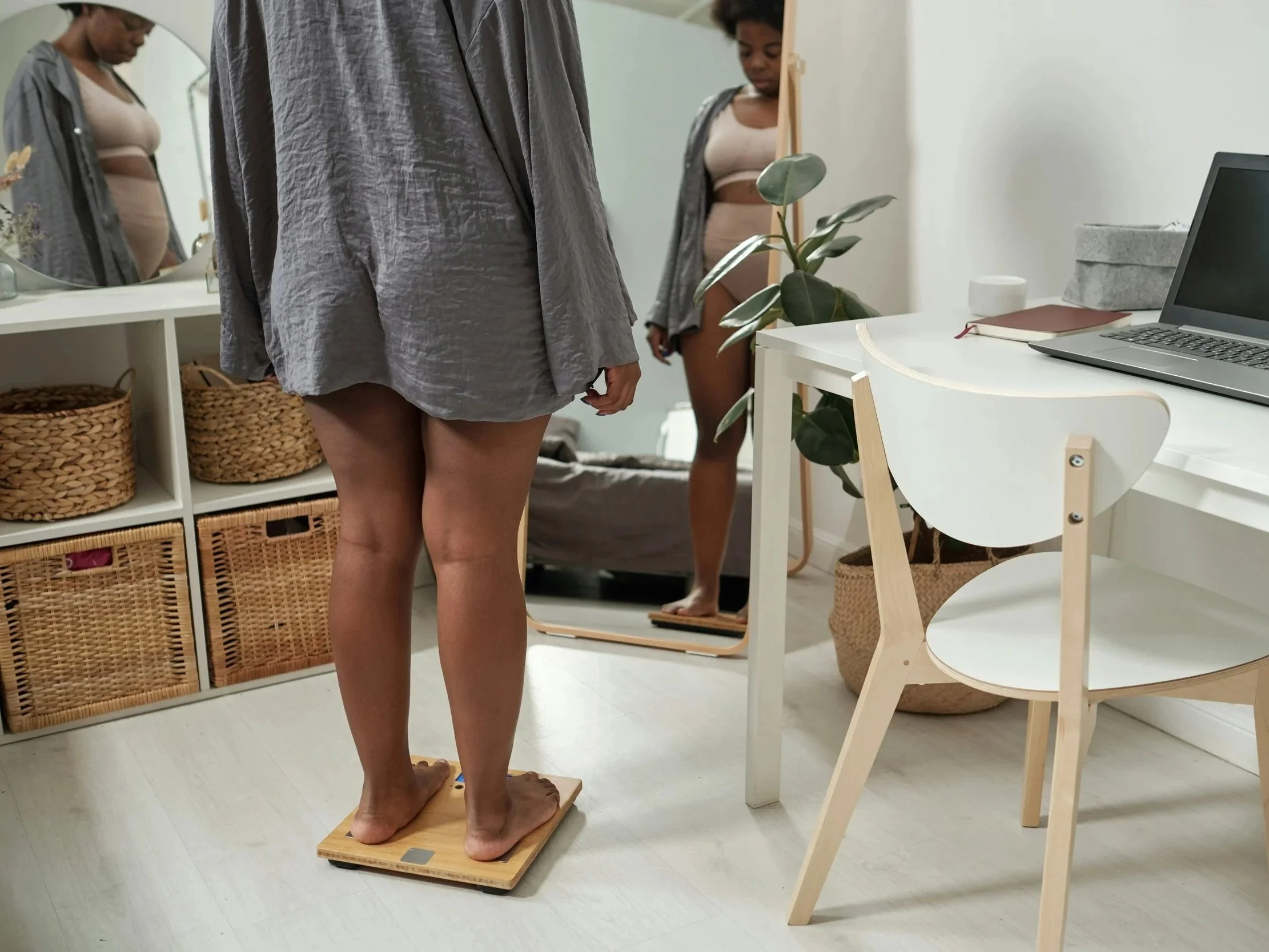
Why Losing Weight Gets Harder After 30
You’re eating the same. You’re working out the same. But suddenly, the scale won’t budge or worse— it’s creeping up.
If this sounds familiar, you’re not imagining it. And more importantly, it’s not a lack of discipline.
For many people, especially women, weight loss starts to feel harder in their 30s because their biology is changing. Subtle shifts in metabolism, hormones, and blood sugar regulation can make your body more resistant to weight loss, even when your habits haven’t changed.
The good news? Oncee you understand what’s actually happening, you can work with your body instead of against it.
What Actually Changes After 30?
1. Your Metabolism Slows
Your basal metabolic rate (the calories your body burns at rest) gradually declines with age. At the same time, muscle mass naturally decreases if you’re not actively maintaining it.
Since muscle is metabolically active, less muscle = fewer calories burned at baseline.
But metabolism alone isn’t the whole story.
2. Hormonal Shifts Start Earlier Than You Think
In your 30s, hormone changes begin, often subtly, but enough to impact weight.
Insulin sensitivity decreases, making it easier to store fat
Cortisol increases with stress and poor sleep
Thyroid function can shift, affecting energy and metabolism
Estrogen and progesterone fluctuations begin earlier than most people expect
These changes can lead to increased hunger, more cravings, and a tendency to store weight, especially around the midsection.
3. Your Body Becomes More Efficient at Holding Onto Weight
If you’ve dieted in the past, your body may adapt by becoming more efficient at conserving energy.
This is called metabolic adaptation.
Over time, this can lead to:
Plateaus despite eating less
Increased hunger signals
Decreased energy expenditure
Why “Eat Less, Move More” Stops Working
Traditional weight loss advice doesn’t account for the biological changes that occur as you age, and traditional diets may fail where they once worked for you.
In fact, eating too little can backfire by slowing your metabolism further, increasing stress hormones, and even triggering rebound weight gain.
This is why many people feel stuck in a cycle of losing and regaining the same weight.
The Hidden Factors Most People Miss
Rather than continuing to fight your changing body to maintain your weight, consider looking at the root cause of weight gain. There are a few things you might be missing.
Blood Sugar Dysregulation
Even if you’re not diabetic, blood sugar instability can make weight loss significantly harder.
Signs include:
Cravings (especially for carbs or sugar)
Energy crashes
Difficulty losing belly fat
When insulin levels stay elevated, your body is more likely to store fat rather than burn it.
Chronic Stress & Poor Sleep
Stress and sleep are often overlooked, but they’re powerful drivers of weight gain.
Here are some ways sleep impacts your weight:
Elevated cortisol promotes fat storage
Poor sleep increases hunger hormones
You’re more likely to crave high-calorie foods
Inflammation & Gut Health
Low-grade inflammation and gut imbalances can interfere with metabolism, hunger signals, and how your body processes food.
Your gut microbiome helps you to maintain a healthy weight, but it also relies on you maintaining its delicate balance to function optimally.
Why This Matters More for Women
Women are particularly impacted by these changes as they age, because their hormones change significantly in their 30s and beyond.
Hormonal fluctuations in your 30s, sometimes even early perimenopause, can:
Increase fat storage
Disrupt hunger cues
Impact energy and recovery
Many women are told to “just try harder,” when in reality, their physiology has changed. That’s why we’ve put together three tips for when the scale just doesn’t seem to move, no matter what you do.
What Actually Works for Weight Loss After 30
1. Stabilizing Blood Sugar
Prioritize protein at meals
Balance carbohydrates with fat and fiber
Reduce ultra-processed foods
2. Supporting Hormones (Instead of Fighting Them)
Strength training to maintain muscle
Prioritizing sleep
Managing stress intentionally
3. Getting the Right Medical Support
If you feel like you’re doing everything “right” and still not seeing results, it may be time to look deeper.
Personalized care—including lab testing and targeted treatment—can identify what’s actually holding you back.
How GLP-1 Medications Can Help Reset Your Biology
GLP-1 medications are changing the way we approach weight loss because they target the underlying biology.
They work by:
Regulating appetite and reducing “food noise”
Improving blood sugar control
Helping your body feel satisfied with less food
To learn more, check out our blog on how GLP-1 medications work.
For many patients, this creates a sustainable path to weight loss without extreme dieting.
A Smarter, More Sustainable Approach with TeleHealthNP
At TeleHealthNP, weight loss is approached through a clinical, personalized lens.
That means:
No restrictive diets
No one-size-fits-all plans
Ongoing provider support
Treatment tailored to your biology
All from the convenience of home.
When to Seek Help
You don’t have to wait until things feel extreme.
It may be time for support if you’re experiencing:
Weight gain despite consistent habits
Intense cravings or constant hunger
Fatigue or brain fog
Difficulty losing weight compared to your 20s
It’s Not You—It’s Your Biology
If weight loss feels harder than it used to, there’s a reason, and more importantly, there’s a better way forward.
If you’re ready for a more personalized, science-backed approach to weight loss, you can book a free consultation with TeleHealthNP to explore your options.